WE STUDY THE CRITICAL ZONE
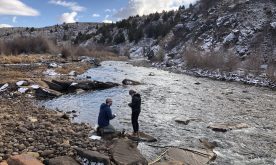
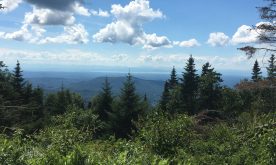
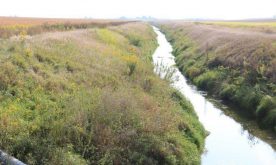
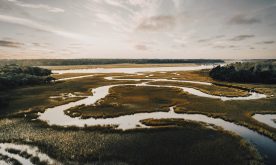
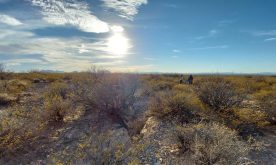
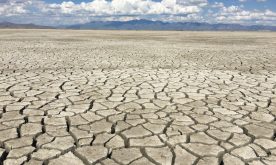
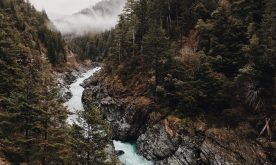
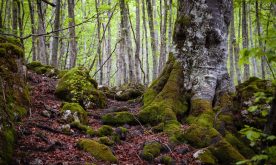
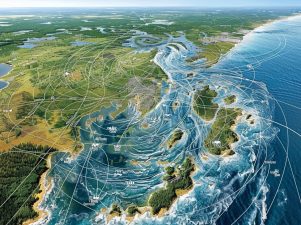
Our nine U.S. Thematic Clusters study Earth’s outer skin - where water, atmosphere, ecosystems, soil & rock interact.
Our nine U.S. Thematic Clusters study Earth’s outer skin - where water, atmosphere, ecosystems, soil & rock interact.
The Critical Zone Collaborative Network (CZNet) is the next phase of NSF’s Critical Zone research program, comprised of nine Thematic Clusters with a wide range of geological, climatic, and land use settings that provide an opportunity to better understand the critical zone.
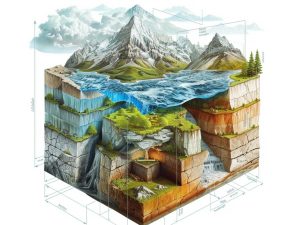
The Critical Zone is Earth's outer skin, but often defined from bedrock to treetop. This is an environment where rock, soil, water, air, and living organisms interact and shape the Earth's surface.
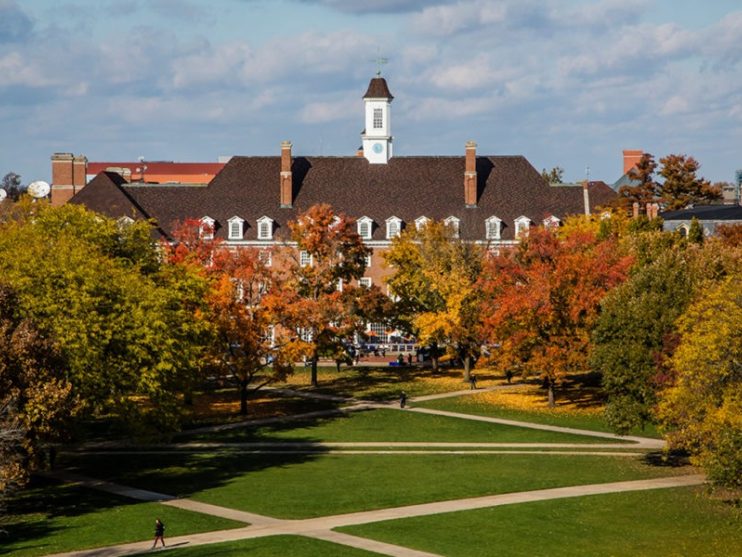
We are pleased to announce that the 2024 All Hands Meeting will take place August 6-8, 2024 at University of Illinois Urbana-Champaign, with CINet serving as the host cluster. More information will be coming soon! All updates will be found at the link below.
CZNet is pleased to announce a newly-funded CZ-REU Program!
Program Dates: May 29-Aug 7, 2024
Deadline to Apply: February 21st, 2024 11:59 PM ET
The Critical Zone Observatories (CZO) project was started in 2007 and consisted of nine observatories. The CZO website has been archived for reference.
Stay up to date with the latest from CZNet.
Aug 6, 2024 / 8:30 am